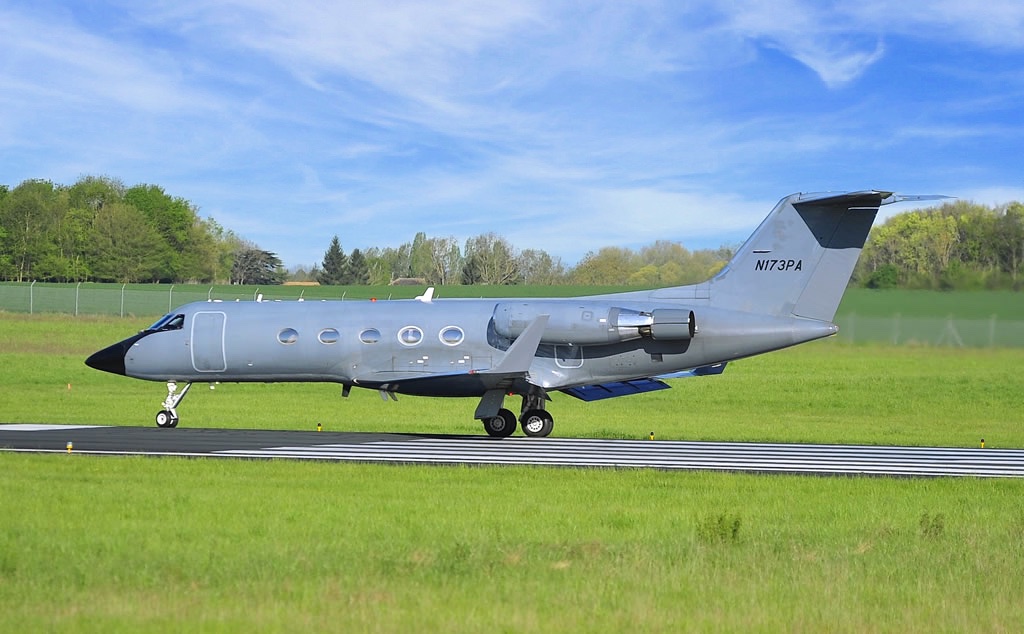

If you’ve ever watched a plane taxi down the runway or stood near an airport fence, you’ve probably noticed a unique combination of letters and numbers painted on the aircraft’s tail or fuselage. That’s not just decoration—it’s the aircrafts tail number, and it tells a story.
So, what exactly is a tail number? What do those letters and digits represent? Let’s break it down.
🛩️ What Is an Aircrafts Tail Number?
A tail number (also called an aircraft registration number) is a unique identifier assigned to every civil aircraft around the world. It works like a licence plate for cars—it tells you where the aircraft is registered and serves as its official ID in international records.
It is usually painted on the tail, fuselage, or under the wing and is required by international aviation laws to be visible at all times.
🌍 How Tail Numbers Are Structured
Tail numbers follow a basic international format set by the International Civil Aviation Organization (ICAO):
[Country Prefix] + [Unique Identifier]
Let’s look at a few examples:
| Tail Number | Country | Explanation |
|---|---|---|
| N12345 | USA | “N” = United States; 12345 = aircraft ID |
| G-BOAC | United Kingdom | “G” = UK; BOAC is unique to that aircraft |
| AP-BLA | Pakistan | “AP” = Pakistan; BLA = aircraft-specific |
| VH-OQD | Australia | “VH” = Australia; OQD = unique aircraft ID |
| JA812A | Japan | “JA” = Japan; 812A = aircraft ID |
🧭 Country Prefixes and What They Mean
Each country has its own prefix, typically 1 to 3 letters, defined by ICAO. Some common ones include:
-
N – United States
-
G – United Kingdom
-
D – Germany
-
F – France
-
AP – Pakistan
-
VT – India
-
JA – Japan
-
VH – Australia
-
B – China
-
RA – Russia
🔍 What Can You Learn from a Tail Number?
Besides the registration country, tail numbers can help you to:
-
Track flights in real-time on apps like Flightradar24 or FlightAware
-
Identify the aircraft’s age, model, and ownership history through civil aviation databases
-
Spot unique or historic aircraft, such as presidential or military jets
For example:
-
AP-BGL is a Boeing 777 operated by PIA (Pakistan International Airlines)
-
N747PA was the famous “Clipper Juan T. Trippe”, the first Boeing 747 ever delivered to Pan Am

📝 Fun Fact: Tail Numbers Can Change
Just like a car’s licence plate, aircraft tail numbers can be re-registered when a plane is sold to another country or airline. For example, a plane that once flew as G-XXXX in the UK might later fly as AP-YYY if sold to a Pakistani carrier.
🎯 Why It Matters
Knowing how to read a tail number isn’t just for aviation geeks—it’s a useful tool for travellers, journalists, plane spotters, and aviation professionals alike. Whether you’re following a loved one’s flight or researching a historic jet, the tail number gives you the key to unlock an aircraft’s story.
🛫 Final Thoughts
The next time you’re at the airport, look up—you might spot a tail number that tells a fascinating story. Whether it’s a brand-new Dreamliner or a retired warbird, each aircraft carries its own unique identity. All you have to do is decode it.