
Ankara
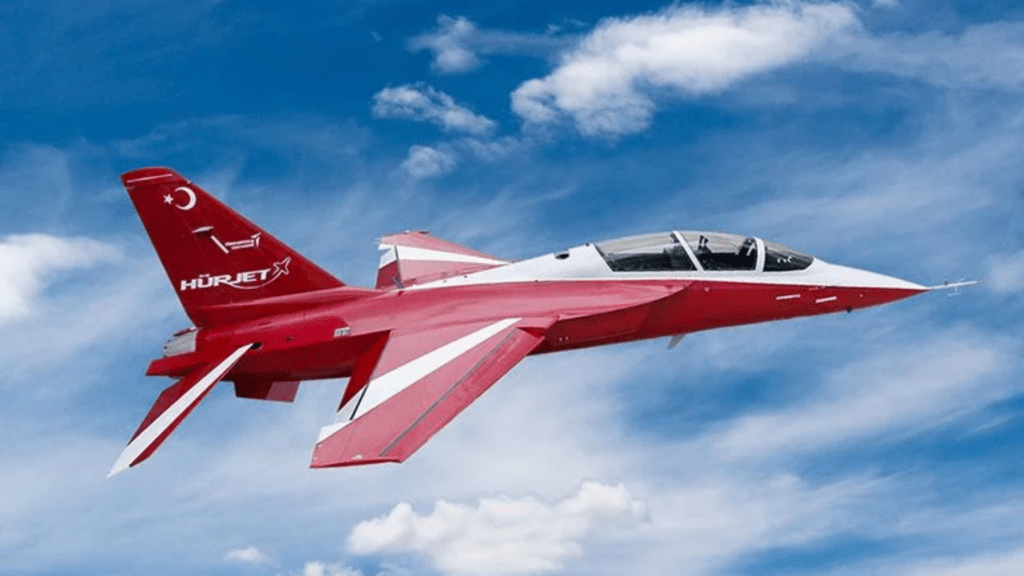
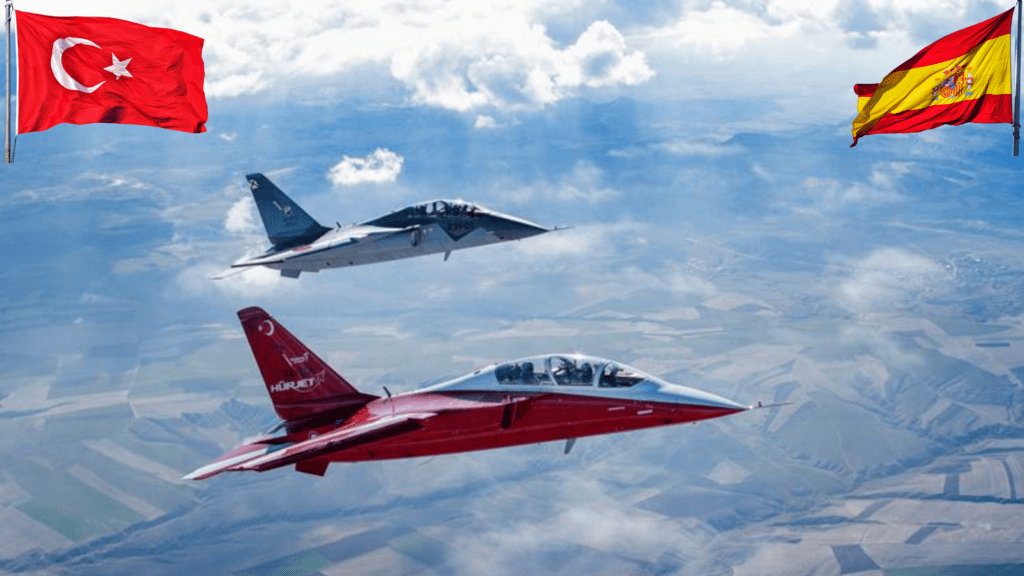
In a historic defense collaboration, Turkey and Spain have signed a landmark agreement for the procurement of 30 HÜRJET advanced jet trainers, marking the first foreign sale of Turkey’s indigenous trainer aircraft. Valued at €2.6 billion ($3.05 billion), the deal not only underscores Turkey’s technological prowess but also strengthens strategic ties between NATO allies.
The HÜRJET program, Turkey’s first domestically developed jet trainer, represents over two decades of concentrated effort in advanced aerospace design. With the country achieving a domestic production rate of 82–83% in defense manufacturing, the aircraft is a testament to Turkey’s ability to meet its own defense needs while exporting high-technology solutions globally.
Speaking from the Turkish Aerospace Industries (TAI) headquarters in Ankara, Haluk Görgün, Head of Turkey’s Presidency of Defense Industries, highlighted the broader significance of the deal:
“This is not just a training aircraft contract. It is a comprehensive package including ground systems, simulation tools, maintenance solutions, and long-term operational support, designed to foster mutual technological and economic benefits.”
Modernizing Spain’s Air Force
Spain’s Air Force will deploy the HÜRJET to replace its aging Northrop F-5 fleet, ensuring a modern, versatile training platform for the coming decades. The aircraft will arrive in an initial configuration between 2028 and 2029, with subsequent Spain-specific adaptations planned for delivery through 2035.
The modification process includes advanced avionics, mission systems, remote interface units, audio management, and simulation technologies. The first two jets will undergo conversion at Airbus’s Getafe facility near Madrid, while the remaining aircraft will be adapted at a yet-to-be-announced location within Spain.
Additionally, Airbus, in collaboration with Spanish suppliers, is developing a ground-based training system at Talavera La Real Air Base, ensuring pilots can train on state-of-the-art simulators before taking to the skies.
Source: TAI/Airbus Defence & Space
Strategic Implications and Global Reach
The agreement extends beyond aircraft sales. It opens doors for technological collaboration, subsystem integration, and potential joint exports to third countries, reinforcing a “win-win” model for both nations. Subcontractors across Turkey’s defense sector, nearly 200 in total, are already contributing to the HÜRJET platform, highlighting the extensive industrial ecosystem behind the program.
This deal also dovetails with Turkey’s broader aerospace ambitions, including the KAAN indigenous fighter jet and the Steel Dome air defense system, reflecting a sustained push for self-reliance in defense while actively engaging global partners.
Looking Ahead
Scheduled deliveries and operational integration will firmly position HÜRJET as a cornerstone of Spain’s training fleet. Beyond the €2.6 billion value of the deal, the export is a symbolic milestone: a recognition of Turkey’s evolution into a high-technology defense hub and a demonstration of trust and strategic alignment with allied nations.
As Aviation Diary observes, the HÜRJET deal is more than a transaction—it’s a statement of Turkey’s rising stature in global aerospace and a blueprint for collaborative defense innovation across borders. With the first aircraft poised for delivery in 2028, Europe’s skies may soon witness the quiet power and sophistication of Turkey’s domestic aerospace capabilities.

Your Window to the World Above!