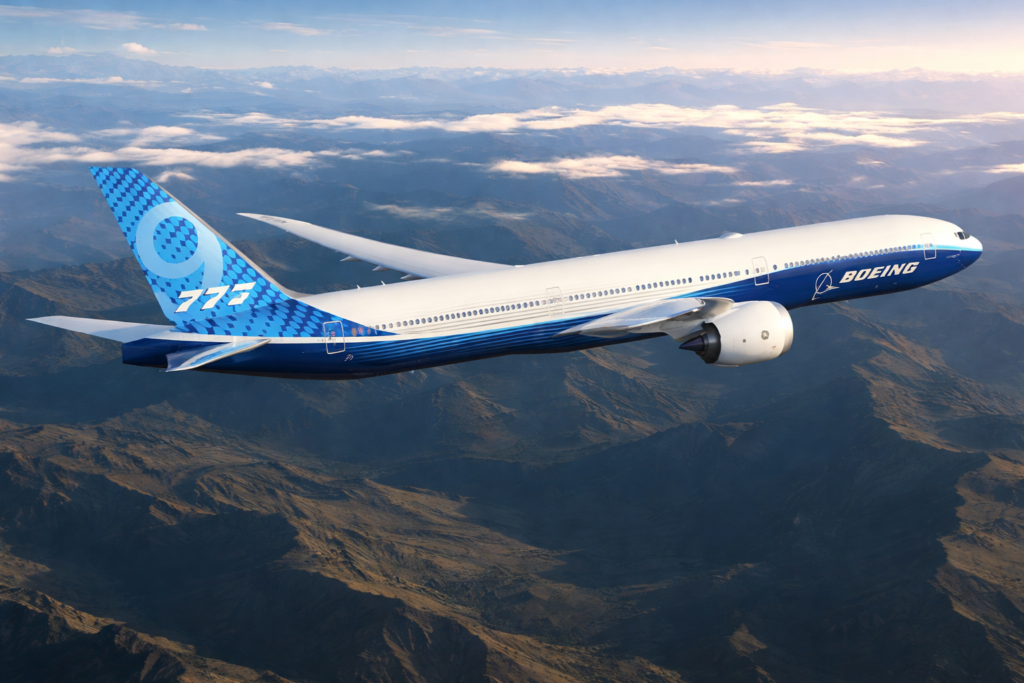

Indonesia has formally committed to purchasing 50 Boeing commercial aircraft as part of a sweeping bilateral trade agreement with the United States, marking one of the most significant aviation-linked trade developments in Southeast Asia in recent years.
The agreement, finalized in Washington, reshapes tariff structures, expands market access, and integrates large-scale aerospace procurement into a broader economic framework. Beyond aviation, the deal includes energy imports, agricultural concessions, and regulatory adjustments but the Boeing commitment stands out as its most visible industrial outcome.
A Strategic Aviation Commitment
Indonesia’s pledge to acquire 50 Boeing jets is not merely a fleet expansion decision. It is embedded within a larger macroeconomic negotiation aimed at recalibrating trade relations between Jakarta and Washington.
While officials have not publicly confirmed aircraft models, industry expectations suggest a potential mix of:
- Boeing 737 MAX family for domestic and regional operations
- Boeing 787 Dreamliner for long-haul routes
- Possible inclusion of Boeing 777 variants
Given Indonesia’s geography an archipelago of over 17,000 islands fleet modernization remains critical for domestic connectivity and international route expansion.
Investment Minister Rosan Roeslani confirmed that discussions with Boeing are active, although final pricing and delivery timelines have not yet been disclosed.
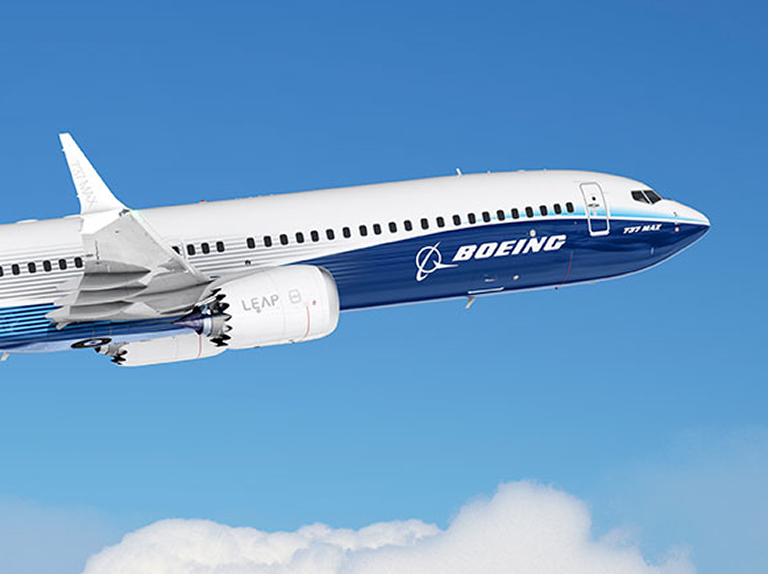
Pic credits @BOEING
Tariff Reset: From 32% to 19%
A central pillar of the agreement is the restructuring of tariff levels.
Under the new framework:
- Indonesian exports to the United States will face a 19% tariff, reduced from a previously threatened 32%.
- Indonesia secures zero tariffs on 1,819 product lines.
- Boeing aircraft procurement receives favorable treatment within the trade structure.
While the 19% rate remains significant, Jakarta views the reduction as a stabilizing measure amid previous trade tensions.
In exchange, Indonesia has committed to:
- Zero import duties on key U.S. agricultural commodities such as soybeans and wheat
- Approximately $15 billion in annual U.S. energy purchases
- Expanded market access for American goods
The agreement reflects how aircraft procurement increasingly functions as a balancing instrument in high-level trade diplomacy.
Implications for Boeing in Southeast Asia
For Boeing, the agreement reinforces its position in one of the world’s fastest-growing aviation markets.
Southeast Asia is projected to require thousands of new aircraft over the next two decades due to:
- Rising middle-class travel demand
- Strong domestic passenger growth
- Low-cost carrier expansion
- Fleet replacement cycles
Indonesia, as the region’s largest economy and one of its most aviation-dependent nations, represents a strategically important market.
The deal signals renewed commercial momentum for Boeing in a competitive landscape where Airbus maintains a strong presence.
Garuda Indonesia and Fleet Expansion Plans
Although aircraft allocations have not been finalized, Indonesia’s flag carrier ecosystem is undergoing restructuring that aligns with this acquisition.
Garuda Indonesia currently operates a mixed fleet that includes:
- Airbus A330 variants
- Boeing 737-800 aircraft
- Boeing 777-300ER aircraft
The airline group has approved a long-term restructuring roadmap that envisions:
- Expanding the fleet toward 120 aircraft by 2029
- Adding up to 100 new routes
- Strengthening both Garuda Indonesia and its low-cost subsidiary Citilink
The Boeing commitment supports these long-term growth ambitions, though final deployment details remain under negotiation.
Beyond Aviation: A Broader $38.4 Billion Framework
The aircraft order forms part of a broader package of agreements reportedly valued at $38.4 billion, spanning sectors such as:
- Energy cooperation
- Mining and downstream processing
- Semiconductor collaboration
- Agricultural trade
- Advanced manufacturing
Aircraft transactions carry particular diplomatic weight due to their high capital value and long-term production timelines. Such purchases often serve both economic and strategic objectives.
Market Access and Regulatory Adjustments
The trade agreement also includes regulatory provisions aimed at improving market access and harmonizing standards.
Indonesia has agreed to:
- Provide non-discriminatory access for U.S. agricultural exports
- Adjust certain domestic content requirements
- Recognize approved U.S. halal certification agencies
- Expand import categories under specific conditions
These measures suggest that the agreement goes beyond tariffs and into structural economic alignment.
Aviation as Trade Diplomacy
Commercial aircraft orders frequently play a central role in bilateral negotiations. Their economic scale, industrial complexity, and long-term service commitments make them powerful diplomatic instruments.
In this case, Indonesia’s Boeing commitment serves multiple objectives:
- Strengthening strategic ties with the United States
- Securing tariff adjustments
- Supporting domestic aviation modernization

Your Window to the World Above!