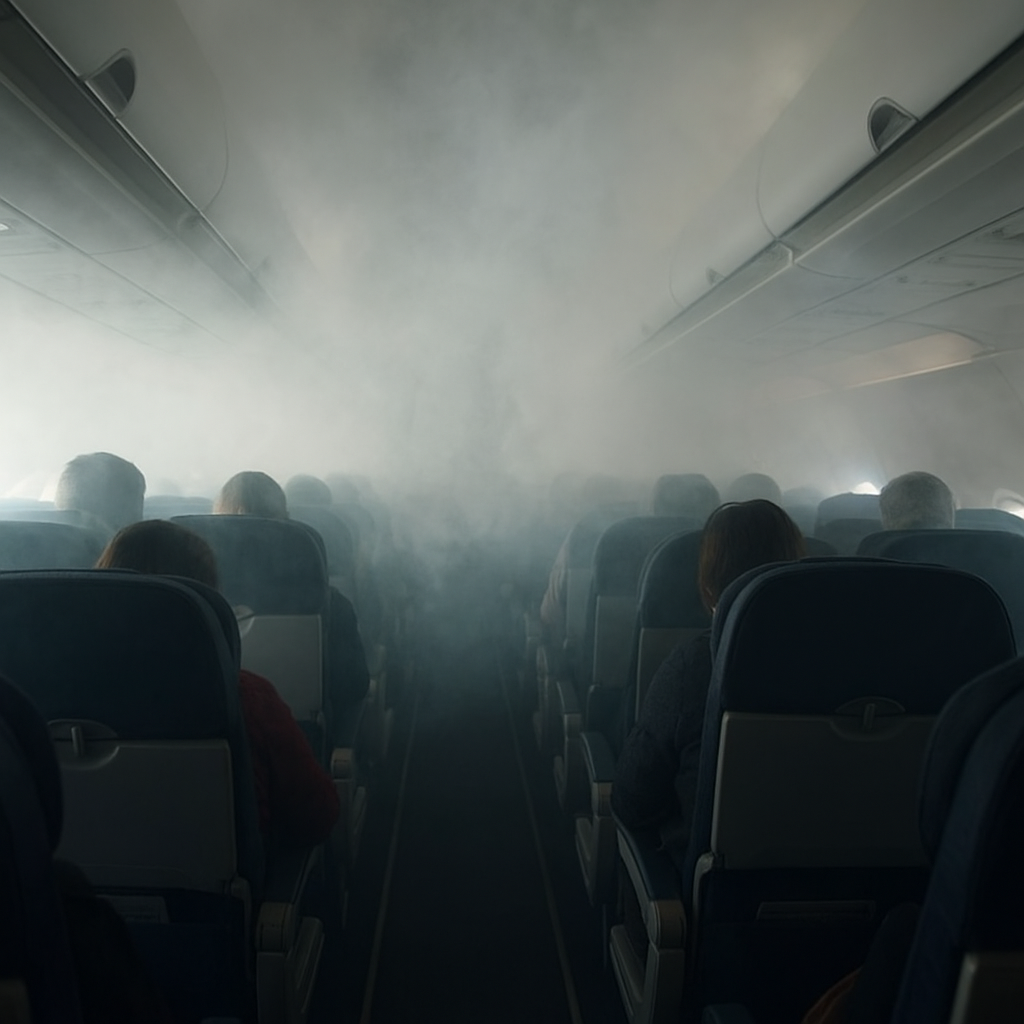

Imagine you’re cruising at 35,000 feet, watching a movie or dozing off mid-flight—then suddenly, smoke starts filling the cabin. That’s exactly what happened on American Airlines Flight 357, turning an ordinary trip into a high-stakes emergency.
The Incident
The flight, traveling from Philadelphia to Phoenix, was carrying 160 passengers and six crew members when smoke was reported in the cabin. The source? A passenger’s electronic device that overheated and caught fire mid-air.
The situation escalated quickly—fire and smoke inside an aircraft are among the most dangerous scenarios pilots and crew can face. In a split-second decision, the pilots diverted the flight and made an emergency landing at Washington Dulles International Airport.
How Did the Crew Respond?
Thanks to training and quick action, the cabin crew managed to contain the device fire before it could spread. Fire extinguishers onboard were used immediately, and the crew kept passengers calm while preparing for landing.
After the aircraft touched down safely, fire and rescue teams rushed aboard to ensure there was no lingering hazard. Everyone evacuated the plane without injuries—a textbook example of why emergency procedures exist.
Why Electronic Devices Are a Risk
Incidents like this are becoming more common as we carry more powerful gadgets onboard. Laptops, tablets, and especially smartphones with lithium-ion batteries can pose a major fire risk if they overheat, are damaged, or short-circuit.
That’s why airlines don’t allow damaged batteries or hoverboards, and why you’ll often hear crew reminding passengers not to charge devices during takeoff and landing.
What Happens When Smoke Is Detected in a Cabin?
Here’s what the standard protocol looks like:
- Immediate Response – Cabin crew use fire extinguishers and isolate the source.
- Pilot Assessment – Flight deck declares an emergency (“Mayday”) and requests diversion to the nearest suitable airport.
- Preparation for Landing – Passengers are briefed, cabin is secured, and rescue crews are alerted on the ground.
- Post-Landing Evacuation – Depending on the severity, passengers may be asked to deplane normally or via emergency slides.
In Flight 357’s case, everything went smoothly, thanks to teamwork between crew, pilots, and ground responders.
Key Takeaways for Passengers
- Always keep an eye on your devices—if they feel unusually hot, turn them off.
- Never pack spare lithium batteries in checked luggage (carry-on only).
- Listen to crew instructions—they’re trained to handle emergencies like these.
- Stay calm. Panic spreads faster than fire in a closed cabin.
Final Thoughts
The American Airlines Flight 357 incident shows just how quickly a routine flight can turn into a life-or-death situation. It’s also a reminder of the professionalism of flight crews, who train for these rare but critical moments.
While technology keeps us connected at 35,000 feet, it also brings risks—so the next time you fly, remember: that safety briefing isn’t just a formality. It could save your life.