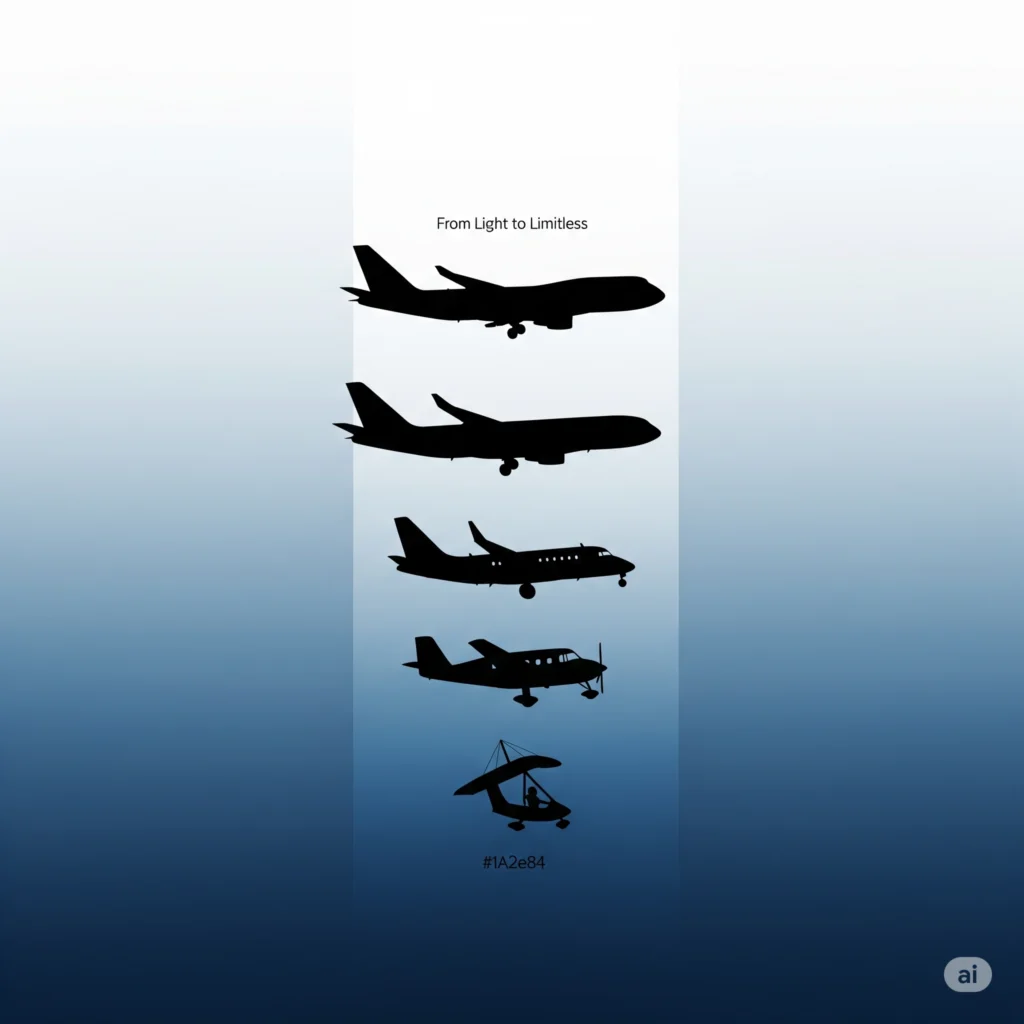

The sky is a vast playground, and over the past century, humans have developed a wide variety of aircraft to explore, travel, transport, and defend. Each type of aircraft serves a specific purpose, with unique features and capabilities. Whether you’re an aviation enthusiast or simply curious, this guide will take you through the fascinating spectrum of aircraft—from the smallest ultralights to the giants of the skies.
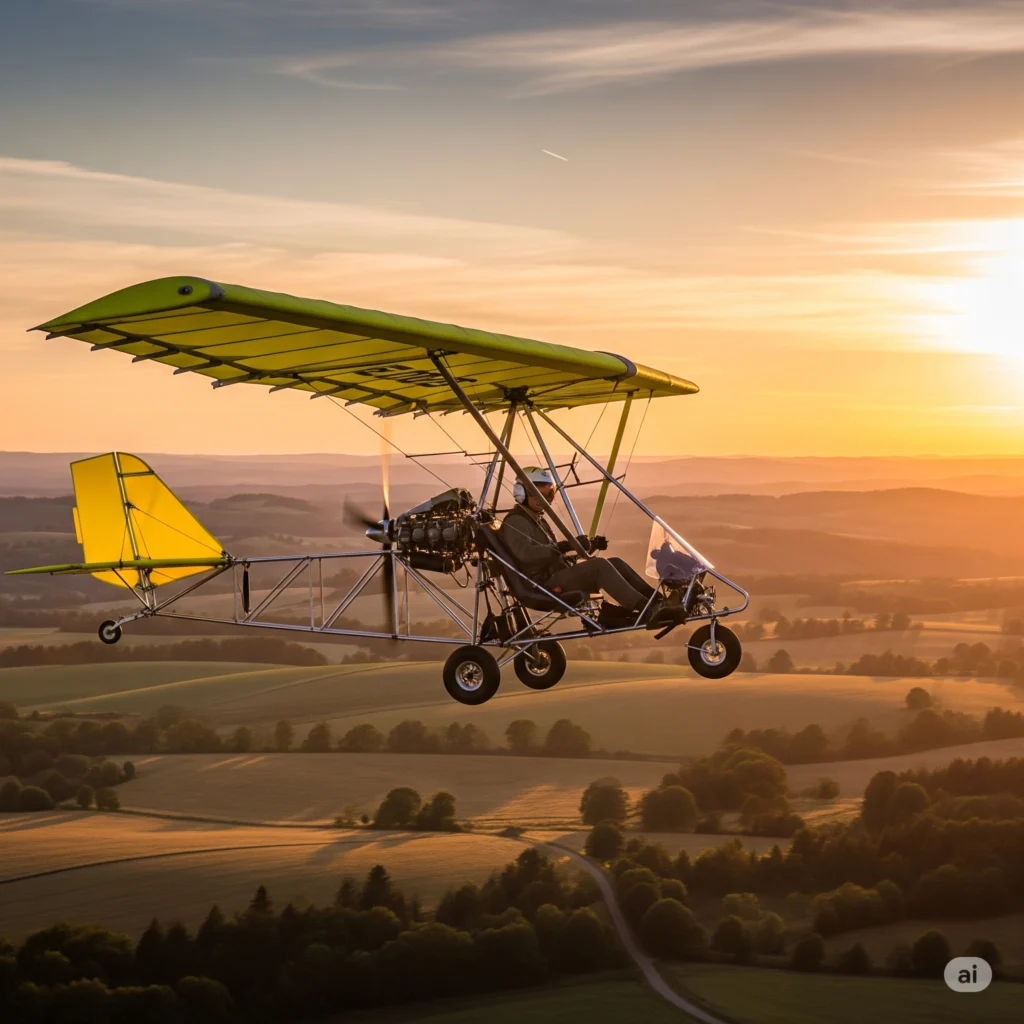
1. Ultralight Aircraft
Weight Class: Typically under 600 lbs (272 kg)
Use: Recreational flying, sport aviation
Notable Features: Open cockpit, lightweight, simple controls
Ultralights are the simplest form of powered aircraft. Often flown by hobbyists, they usually seat just one person and require minimal licensing in many countries. Despite their small size, they offer a thrilling experience of flying close to the elements.
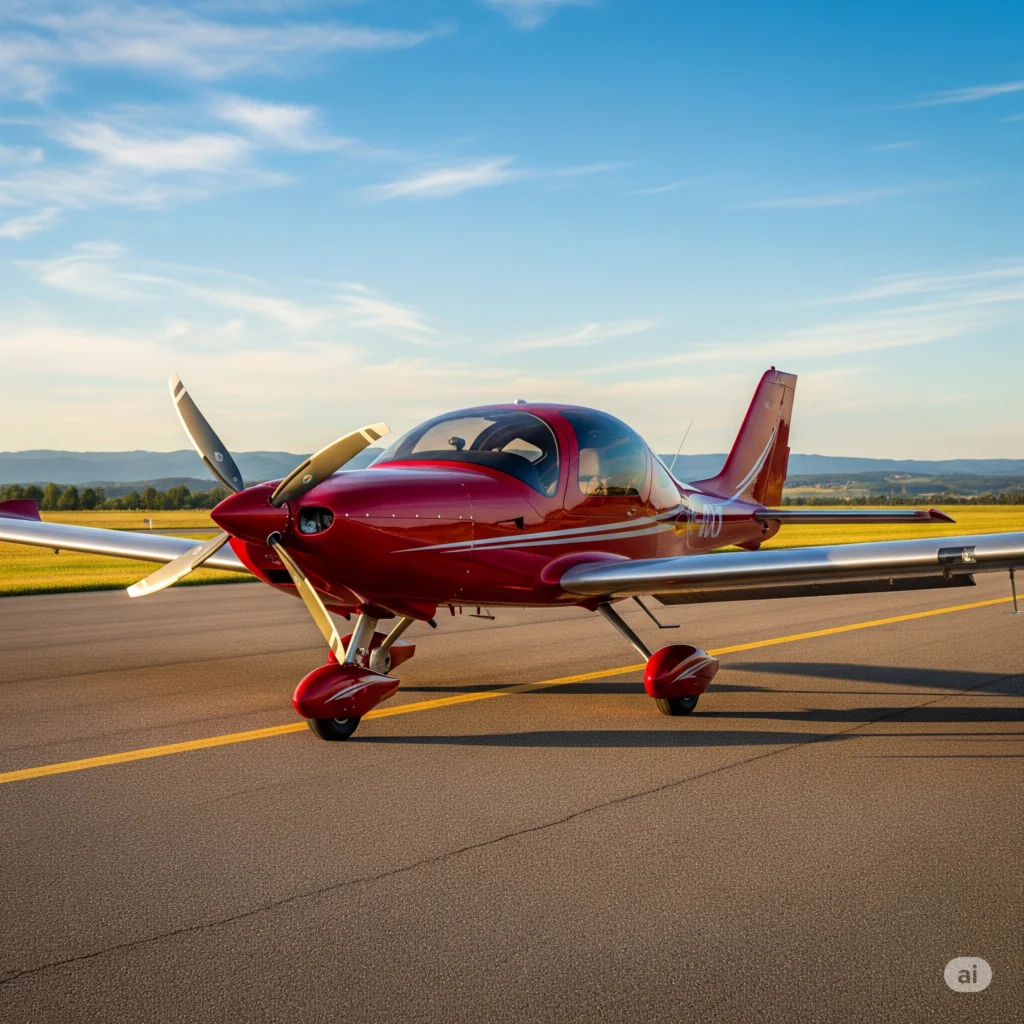
2. Light-Sport Aircraft (LSA)
Weight Class: Up to 1,320 lbs (600 kg)
Use: Training, recreational flying
Notable Features: Enclosed cockpit, low operating cost
LSAs bridge the gap between ultralights and general aviation planes. They’re used widely in flight schools and are ideal for pilots looking for an affordable and modern flying experience. Their simple systems and slower speeds make them great for beginners.
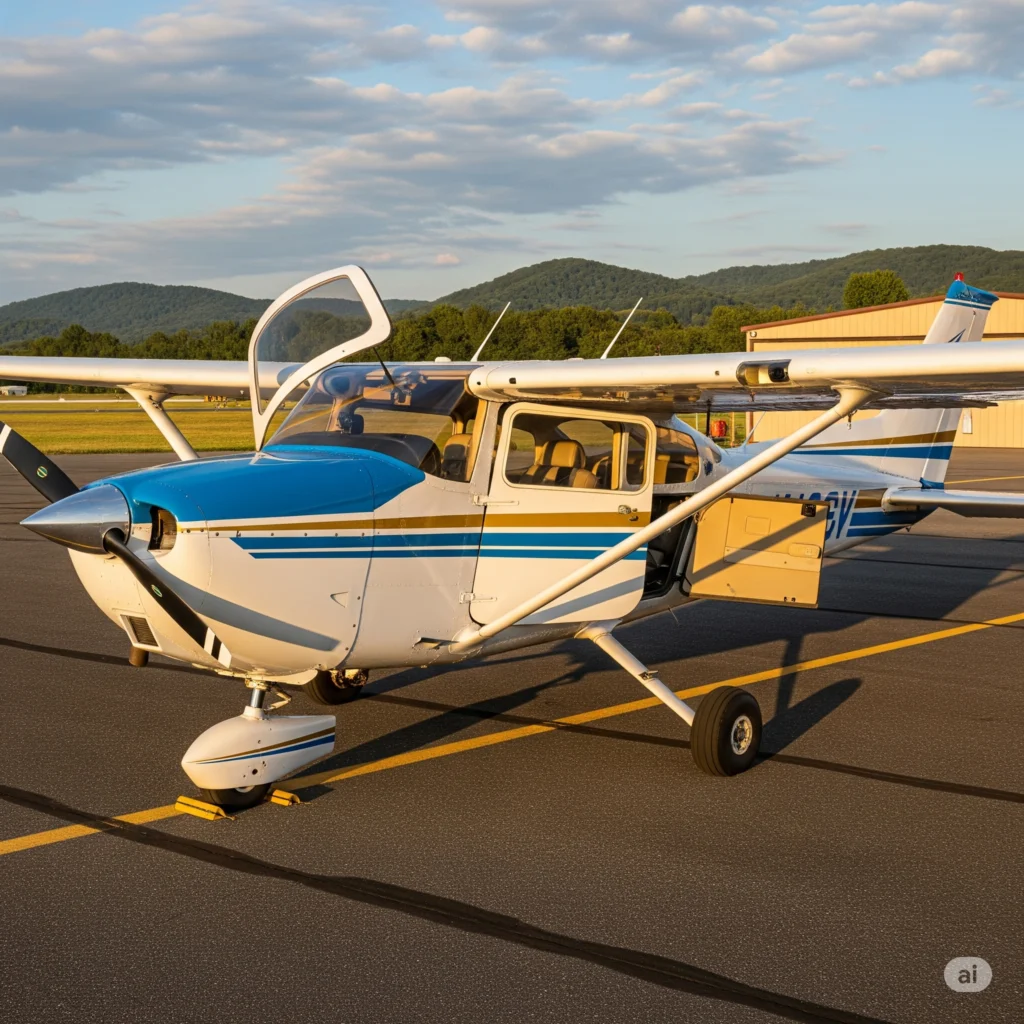
3. General Aviation Aircraft
Weight Class: 1,000–12,500 lbs
Use: Private travel, flight training, cargo, business
Notable Models: Cessna 172, Piper PA-28, Beechcraft Bonanza
General aviation aircraft are the workhorses of private and small-scale commercial flying. They’re commonly used for short trips, pilot training, and aerial services. Many are single- or twin-engine piston aircraft, capable of operating from small runways.
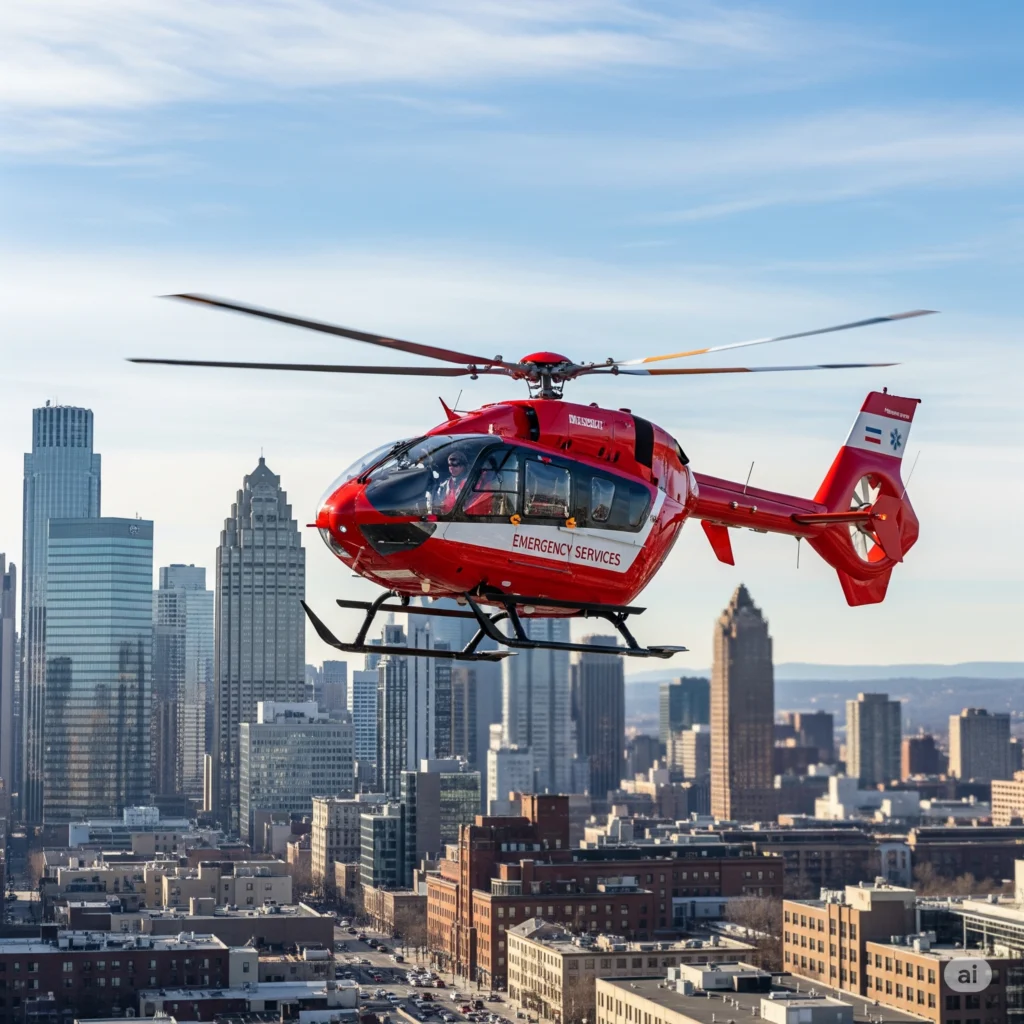
4. Rotorcraft (Helicopters)
Use: Emergency services, military, tourism, urban transport
Notable Models: Bell 206, Airbus H145, Sikorsky UH-60 Black Hawk
Unlike fixed-wing aircraft, helicopters can take off and land vertically, hover, and fly in any direction. They’re vital in search and rescue, law enforcement, and urban air mobility, and are increasingly used for VIP transport and scenic tours.
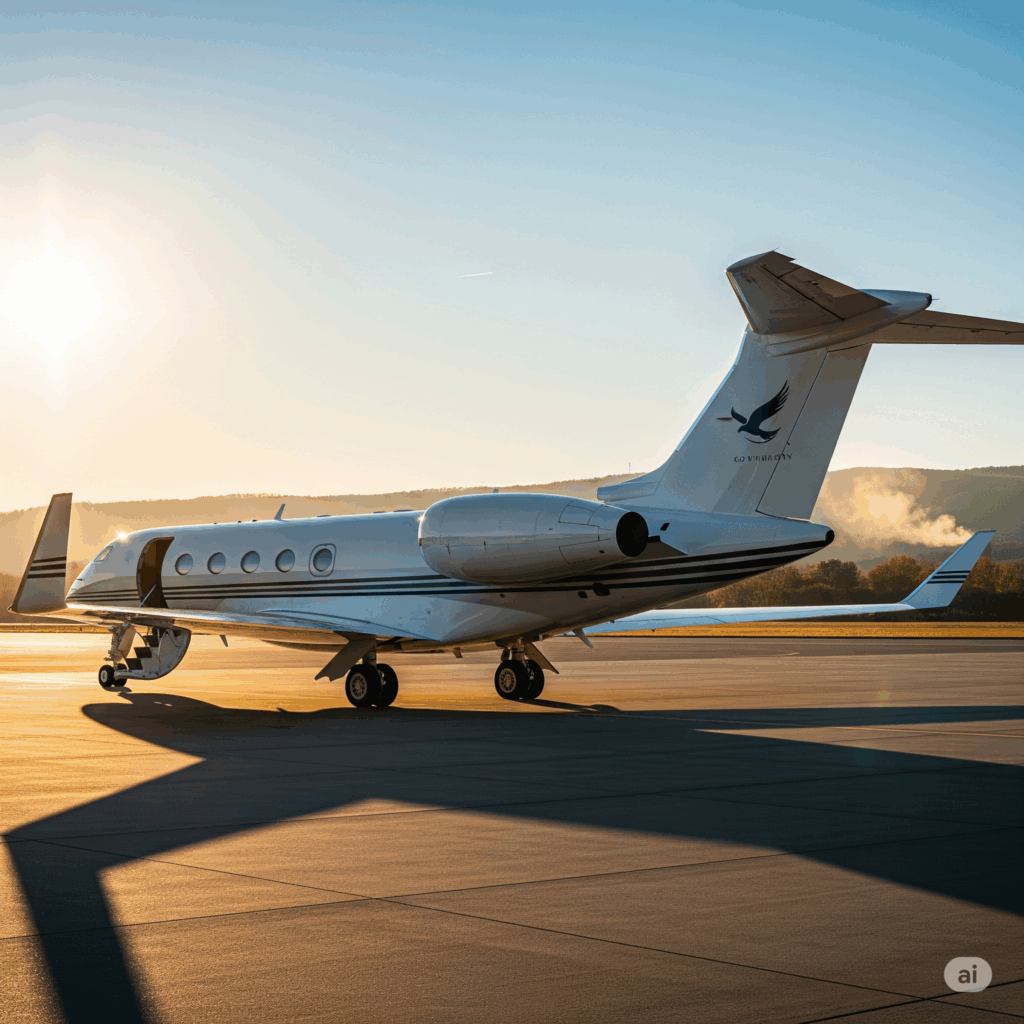
5. Business Jets
Use: Corporate travel, luxury transport
Notable Models: Gulfstream G650, Bombardier Global 7500, Cessna Citation X
Business jets offer speed, privacy, and convenience for executives and high-net-worth individuals. Ranging from small jets to ultra-long-range aircraft, they represent the luxury side of aviation.
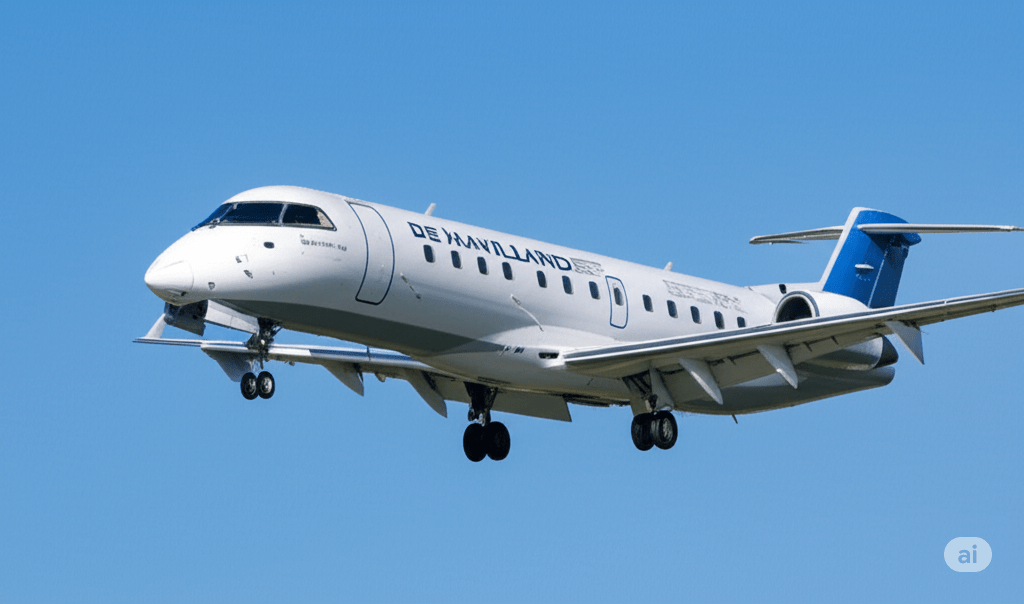
6. Regional Aircraft
Use: Short-haul commercial flights
Notable Models: ATR 72, Embraer E175, De Havilland Dash 8
Used for connecting smaller airports and less busy routes, regional aircraft usually carry between 30 to 100 passengers. They’re optimized for efficiency and short takeoff and landing capabilities.
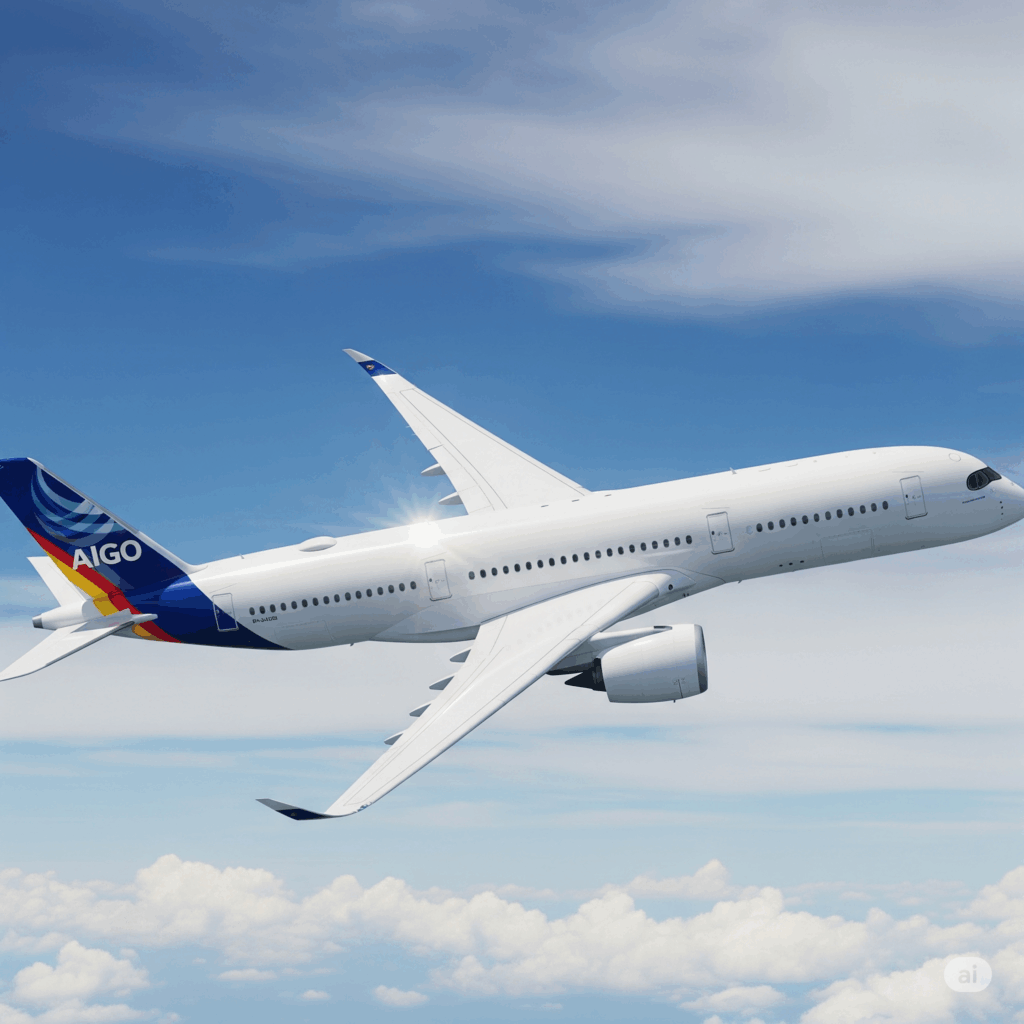
7. Commercial Airliners
Use: Long-haul and medium-haul passenger transport
Notable Models: Boeing 737, Airbus A320, Boeing 777, Airbus A350
These are the aircraft that keep the world moving. Commercial jets are designed to carry large numbers of passengers over varying distances. The most advanced airliners feature cutting-edge aerodynamics, fuel efficiency, and passenger comfort.
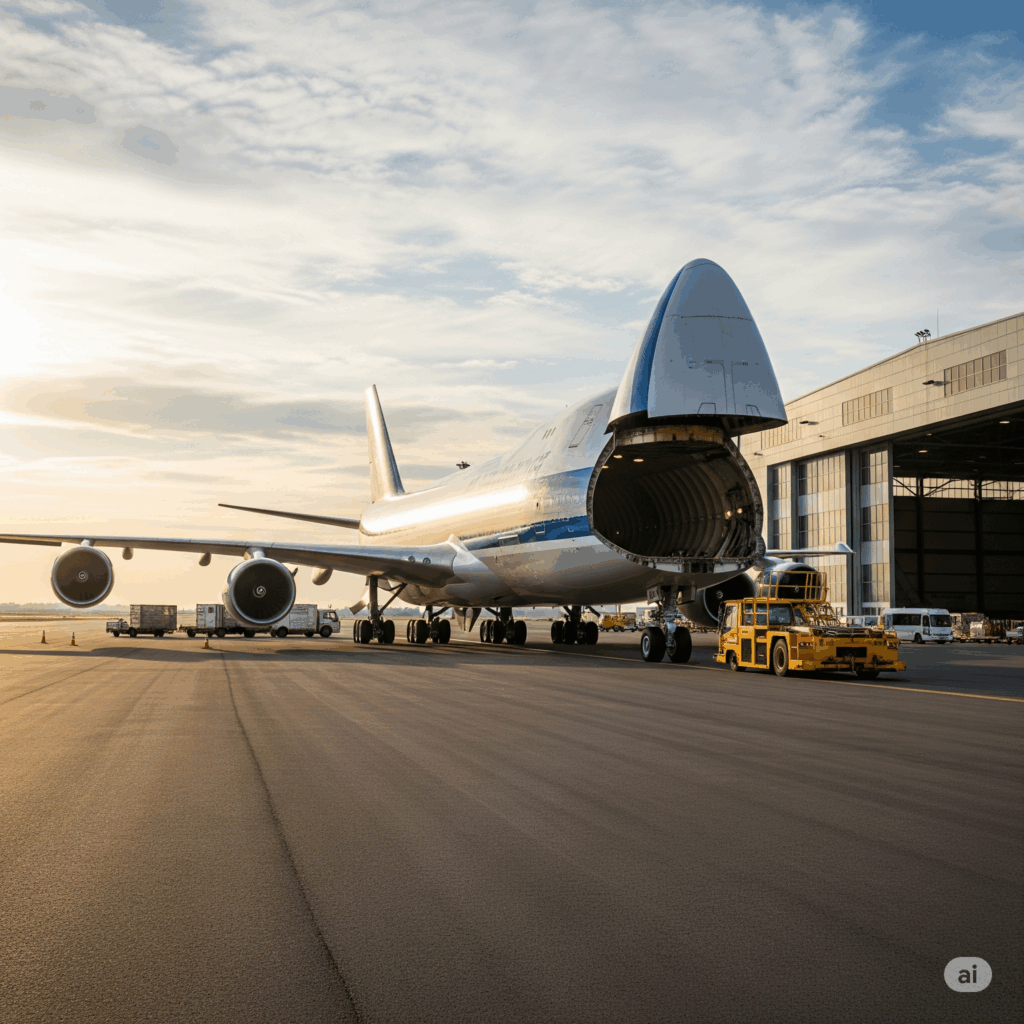
8. Cargo Aircraft
Use: Freight transport
Notable Models: Boeing 747-8F, Antonov An-124, Airbus Beluga
Dedicated cargo planes move goods across continents. Some are converted passenger jets, while others are purpose-built to carry oversized freight. They’re essential to global trade and logistics networks.
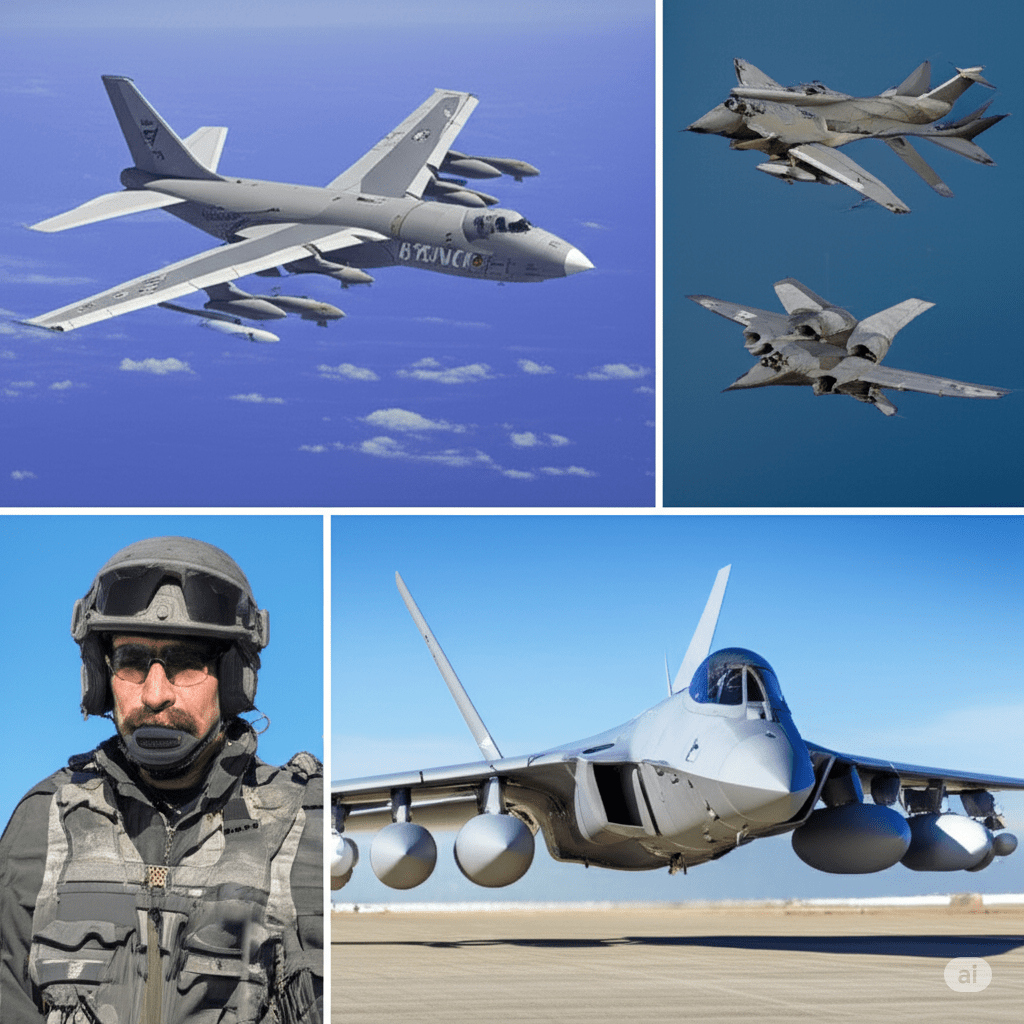
9. Military Aircraft
Use: Combat, surveillance, transport, training
Types: Fighters (e.g., F-16), Bombers (e.g., B-2), Tankers, Drones
Military aviation spans a wide range—from stealth fighters to massive troop carriers. These aircraft are built for speed, maneuverability, or endurance, and play a critical role in defense and strategic operations.
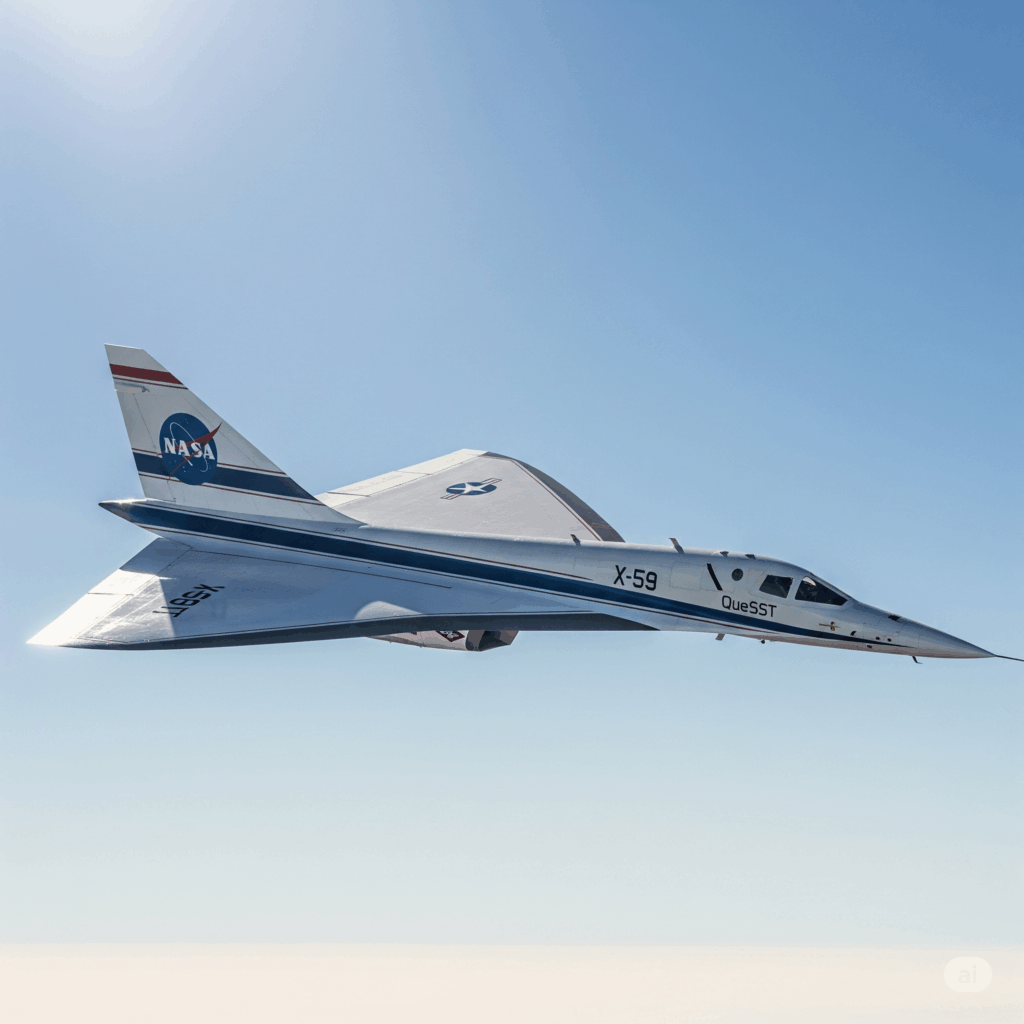
10. Experimental & Concept Aircraft
Use: Research, testing, future tech
Notable Examples: NASA X-Planes, flying wing concepts, eVTOLs
These aircraft are designed to test new technologies or break aviation records. Some never go into mass production but contribute heavily to advancements in speed, efficiency, and safety.
Final Approach
From light-as-a-feather ultralights to sky-dominating jumbo jets, the diversity of aircraft is a testament to human innovation and the desire to conquer the skies. Each type plays its role in connecting people, moving goods, saving lives, or pushing the boundaries of what’s possible.
Whether you’re gazing at the clouds or flying through them, there’s a whole world of aircraft waiting to be explored.