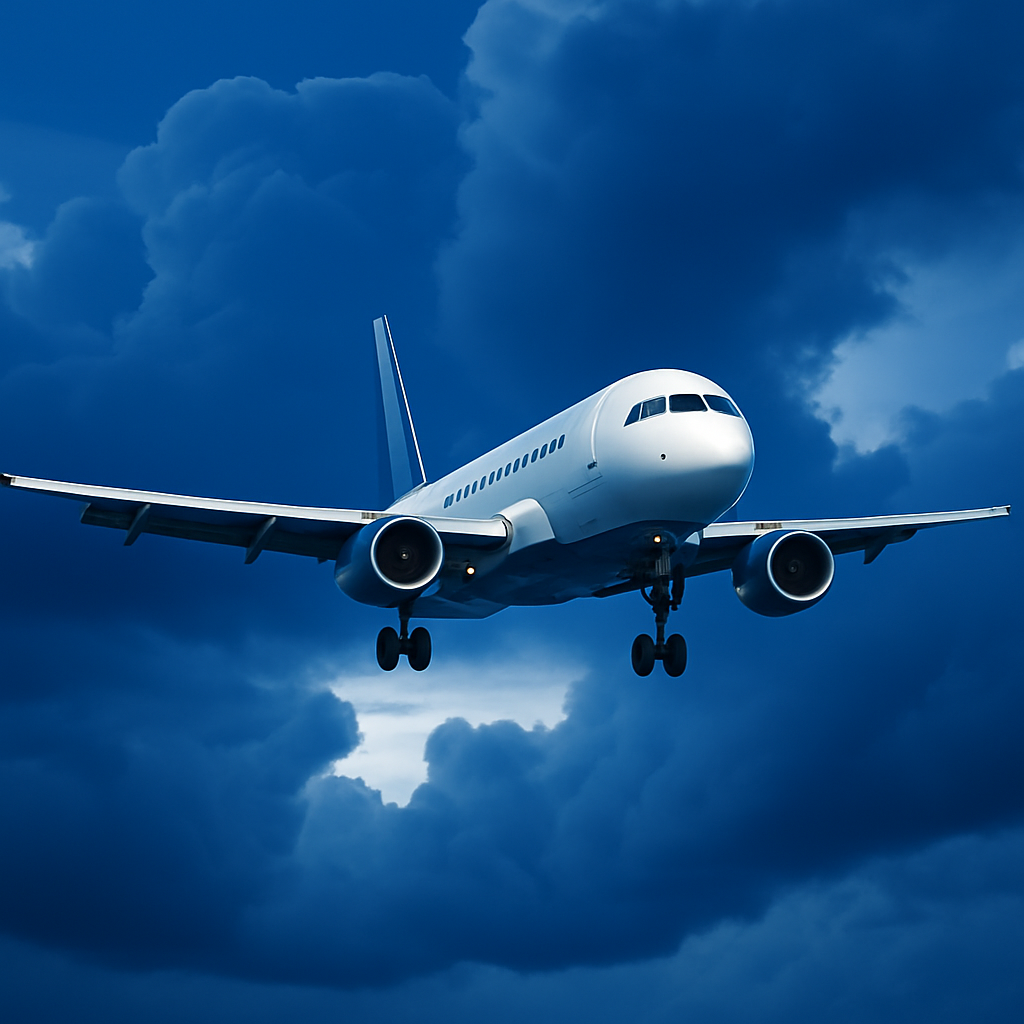

Is turbulence dangerous?? It’s the one word that makes even the most seasoned flyers grip their armrests a little tighter. But is it really as dangerous as it feels? Let’s bust some myths, calm your nerves, and explore the fascinating truth behind those sudden jolts in the sky.
What Is Turbulence, Really?
Turbulence is simply a disruption in the smooth flow of air. Think of it like waves in the ocean — the air currents shift due to weather systems, jet streams, thunderstorms, or even mountains, and your aircraft rides through them. While it may feel chaotic inside the cabin, pilots and planes are built to handle it.
Is Turbulence Dangerous?
Not at all. Modern aircraft are designed to withstand far more turbulence than they actually encounter. Pilots are extensively trained to manage it, and advanced weather radars help them avoid the worst patches. While turbulence can cause discomfort and, in rare cases, injuries if seatbelts aren’t fastened, it’s extremely rare for it to pose any real danger to the aircraft.
Types of Turbulence
- Clear Air Turbulence (CAT): Found at cruising altitudes, usually without any clouds to signal its presence. This one often catches people off guard.
- Thermal Turbulence: Caused by rising warm air, often felt during daytime flights over land.
- Mechanical Turbulence: Occurs when wind flows over mountains or buildings.
- Wake Turbulence: Created by other aircraft — especially large ones.
Why Pilots Aren’t Worried
For pilots, turbulence is just another part of the job. They monitor it closely, stay in constant communication with air traffic control, and adjust altitude if needed. Most of the time, passengers are unaware of the adjustments made to keep the ride smooth.
Why It Feels Worse Than It Is
The sensation of turbulence can be amplified by anxiety or even an empty stomach. Our bodies are more sensitive when we’re flying, and not seeing the horizon can mess with our inner balance. Combine that with the confined cabin, and it’s easy to feel uneasy.
How to Stay Calm During Turbulence
- Always keep your seatbelt fastened — even when the sign is off.
- Avoid heavy meals or caffeine before your flight.
- Distract yourself — music, movies, books — anything to shift focus.
- Remember: turbulence is normal, and the flight crew has it under control.
Final Thoughts
Turbulence is more annoying than alarming. It might feel like the plane is bouncing through a storm, but the reality is far less dramatic. Next time you’re in the air and hit a few bumps, take a deep breath — the sky might be shaky, but you’re in safe hands.